
Yamaha - Trim Tab Anode - 6E5-45371-01-00 - F115 VF115 S115 S130 115 130 150 175 200


Yamaha - Trim Tab Anode - 6E5-45371-01-00 - F115 VF115 S115 S130 115 130 150 175 200
Yamaha - Trim Tab Anode - 6E5-45371-01-00 - F115 VF115 S115 S130 115 130 150 175 200 is backordered and will ship as soon as it is back in stock.
Learn more about PartsVu rewards
Free Shipping Over $99
Orders $99 or more ship free within the contiguous U.S. May not apply to engines or oversized orders.
Learn MoreQuick & Easy Returns
We accept returns on most items for 45 days— with no restocking fees.
Learn MoreReady to Serve
Our top priority is your ultimate satisfaction, and to get you back to boating as soon as possible.
Contact a Parts Pro
Yamaha - Trim Tab Anode - 6E5-45371-01-00 - F115 VF115 S115 S130 11...
Description
Description
Yamaha - Trim Tab Skeg Anode - F115 VF115 S115 S130 115 130 150 175 200 - 6E5-45371-01-00
Overview
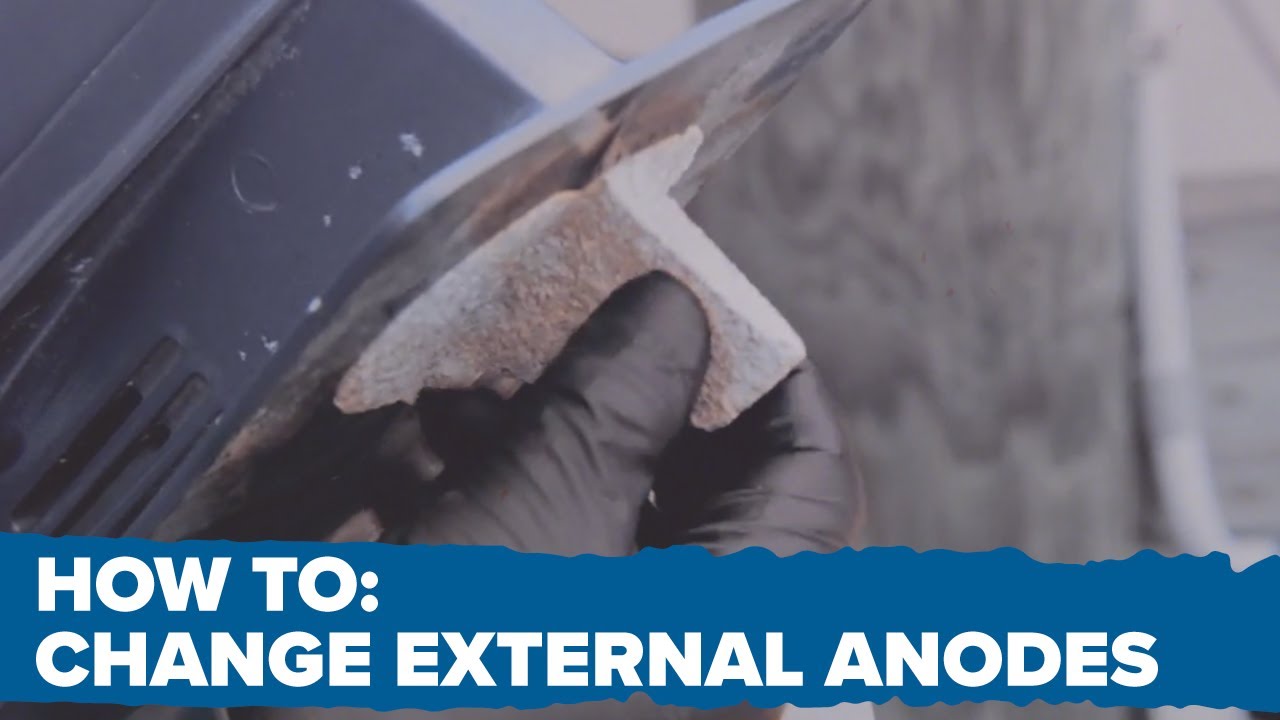
The Yamaha Trim Tab Skeg Anode | 6E5-45371-01-00 is one of those parts that quietly protects your lower unit every time you’re in the water. In saltwater especially, corrosion is always working against your engine, and this anode takes that hit instead of your gearcase and skeg. When it starts wearing down, it’s doing exactly what it’s supposed to do. Keeping a fresh one on there is a simple way to protect your motor and avoid bigger problems later.
Key Features
• Sacrificial Corrosion Protection – Absorbs corrosive damage to protect lower unit components.
• OEM Fit Precision – Designed to match Yamaha trim tab mounting points for secure installation.
• Dual Function Design – Acts as both a trim tab and protective anode for the skeg.
• Saltwater-Ready Construction – Built to handle harsh marine environments and extended exposure.
Engine & Boat Compatibility
• F115 Current
• VF115 Current
• 115 Current
• 130 Current
• 150 1984-1987
• 175 1984-1987
• 200 1984-1987
FAQs
Q1: How do I know when this anode needs replacing?
A: When it’s heavily worn or reduced in size, it’s time to swap it out.
Q2: Does this really protect the lower unit?
A: Yes, it sacrifices itself to prevent corrosion from damaging expensive components.
Q3: How often should I check it?
A: Every few months, especially if you run in saltwater.
Q4: Can I run without an anode?
A: You can, but it significantly increases the risk of corrosion damage.
Q5: Is installation difficult?
A: No, it’s a quick replacement with basic tools.
WARNING: This product can expose you to chemicals which are known to the State of California to cause cancer, birth defects or other reproductive harm. For more information go to P65Warnings.ca.gov.
Product Videos
Product Videos
Specs & Engine Application
Specs & Engine Application
-
Engine Application
- F115 - urrent
- VF115 -Current
- 115 -Current
- 130 -Current
- 150 - 1984-1987
- 175 - 1984-1987
- 200 - 1984-1987
Reviews
Reviews
-

FREE SHIPPING
on all orders over $99!
-

45-DAY RETURNS
so you can get the right parts
-

REWARDS ON EVERY PURCHASE
earn up to 4.5% back
-

PREMIER CUSTOMER SERVICE
throughout your buying journey