
Getting Familiar with Mercury Marine Parts
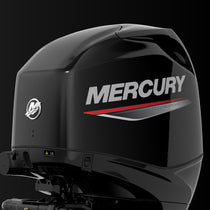
Mercury Marine builds two main types of engines: outboard motors and MerCruiser sterndrives. Each depends on carefully designed systems working together to keep things running smoothly and reliably on the water. Whether you're cruising in a high-powered rig or trolling for bass in a smaller boat, knowing the key parts of your engine can save you time, money, and unnecessary breakdowns.
Among the most important systems are fuel delivery, ignition, and cooling. These areas include multiple components that need regular checks, the right replacements, and correct identification—especially when you're ordering parts. Once you understand how Mercury part numbers are structured and where to source from, keeping your motor in top shape becomes much easier.
Fuel System Components
Outboard Motors
Mercury outboards rely on precise fuel delivery systems. These are some of the essentials:
-
Fuel pumps maintain pressure and volume
-
Primer bulbs and fuel lines ensure airtight delivery
-
Carburetors or injectors fine-tune the air–fuel mix
-
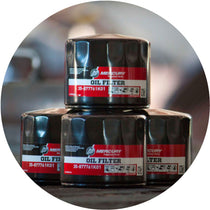
Fuel filters and water separators protect the engine from contamination
A soft fuel line or dirty filter can cause hesitation, rough idle, or worse. These parts take a beating, especially with ethanol-blended fuel, so it’s smart to check and change them often.
MerCruiser Sterndrives
Depending on the setup—carbureted or EFI—MerCruisers include:
-
Lift pumps that feed the system
-
High-pressure EFI pumps inside the fuel cell
-
Anti-siphon valves to prevent fuel from draining back
-
Fuel/water separators to keep water out of the combustion path
Saltwater users especially need to watch for corrosion inside fuel components. It creeps in fast if maintenance is skipped.

Ignition System Components
Outboards
The ignition system sparks the combustion process. Key parts include:
-
Stators that generate electricity
-
Triggers to time each spark
-
ECMs or switch boxes to control ignition sequence
-
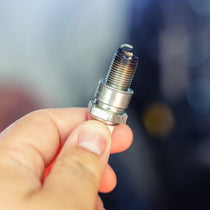
Coils and plugs to deliver spark into each cylinder
Look for misfires, hard starts, or sluggish throttle; all of these are signs that something in the ignition system needs attention. Corrosion, fouled plugs, or a weak coil are common culprits.
MerCruiser Sterndrives
These systems can be electronic or use a distributor. Parts to know:
-
Distributors, caps, and rotors (older models)
-
Ignition modules for precise spark timing
-
Spark plug wires that carry voltage cleanly
-
Timing sensors for power and fuel efficiency
Keeping these components in good shape helps avoid annoying starts and keeps acceleration crisp.

Cooling System Components
Outboards
Raw water cooling is the norm here. You’ll usually be dealing with:
-
Impellers that pull water in
-
Thermostats to regulate heat
-
Seals and gaskets to prevent leaks
If you run in sand, mud, or saltwater, replace these parts more often. Don’t wait for an overheat warning—impeller wear is silent until it’s not.
MerCruiser Engines
These may use raw water, closed-loop, or both. Common parts include:
-
Raw-water pumps for pulling in water
-
Circulating pumps that move coolant
-
Heat exchangers that transfer heat out
-
Exhaust manifolds and risers that double as coolant channels
After every saltwater outing, flush the system. It’s the best way to avoid internal rust and buildup that eats your engine from the inside.

OEM vs Aftermarket Parts
OEM (Original Equipment Manufacturer)
Mercury OEM parts are made to factory specs. That means:
- You get an exact fit
- Quality is consistent
- You’re covered under warranty
Aftermarket
There’s a wide range of aftermarket brands. Some are solid. Others… not so much:
- Prices can be better
- Quality depends on the brand
- Specs might not be identical
If you're using aftermarket parts, buy from a trusted source. It’s not worth saving $20 if it causes $2,000 in damage.

How to Read Mercury Part Numbers
Mercury parts are numbered in a way that tells you what it is and which version you're dealing with. Best practice: start with your engine serial number. That links to Mercury’s official parts catalog, where you can pull up diagrams, confirm specs, and make sure you’re ordering the right thing.
Don't try to match a part just by how it looks. Many are nearly identical but have key differences that can affect performance—or even damage the engine.
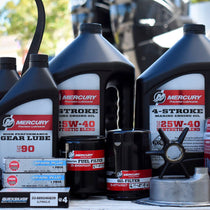
Write down part numbers for items you replace often—like impellers, spark plugs, or filters. Having them ready speeds up future service and prevents mix-ups.
Where to Buy Mercury Parts
-
Authorized dealers are your safest bet. They have factory support, updated diagrams, and usually know how to walk you through a parts lookup
-
Online OEM retailers offer convenience and often mirror dealer inventory. Look for ones with clear return policies and diagram tools
-
Marine salvage yards can be goldmines for discontinued or rare parts—but inspect everything for wear and corrosion
-
Local marine shops strike a good balance: fast pickups, plus knowledgeable staff who can give advice on the spot
Whatever route you take, double-check return policies—especially for electrical parts, which often aren’t returnable once installed.
Wrapping Up
Knowing your Mercury engine isn’t just about being handy. It’s about protecting your time on the water. When you understand how the fuel, ignition, and cooling systems work, and how to track down the exact parts you need, you’re in control. Stick with OEM or trusted aftermarket components, keep your key systems on a maintenance schedule, and your motor will thank you every time you turn the key.